Miyeok Guk Recipe — The Korean Birthday Seaweed Soup Tradition
Learn how to make miyeok guk, the Korean seaweed soup eaten on every birthday. This 30-minute beef miyeok guk recipe includes tips on soaking seaweed and choosing the right oil.

Miyeok Guk Recipe — The Korean Birthday Seaweed Soup Tradition
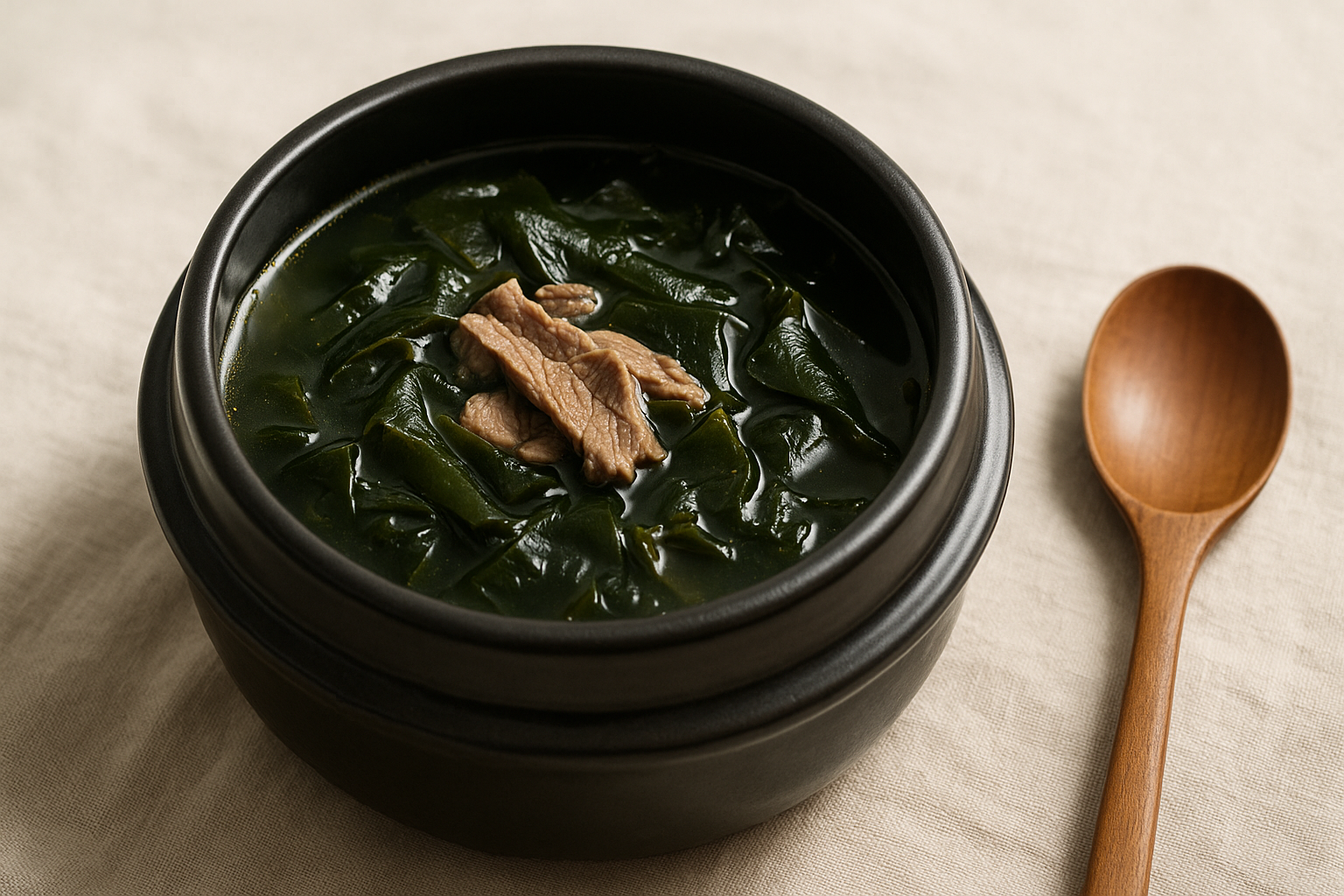
If you've ever celebrated a birthday with a Korean friend or family member, you've probably noticed something unusual on the table: a steaming bowl of miyeok guk, or seaweed soup. This isn't just any soup — it's a deeply symbolic dish that Koreans eat every single year on their birthday. With just beef, dried seaweed, and sesame oil, you can make this nourishing miyeok guk recipe at home in under 30 minutes.
Why Do Koreans Eat Seaweed Soup on Their Birthday?
Miyeok guk isn't just a birthday food — it's a tribute to mothers. Traditionally, Korean women eat this soup for weeks after giving birth because seaweed is packed with calcium and iodine, nutrients essential for postpartum recovery. Eating it on your birthday is a way of honoring the day your mother brought you into the world and remembering what she endured.
This birthday food tradition runs so deep that even Koreans living abroad make a point of cooking miyeok guk on their special day, no matter where they are.
Miyeok Guk Recipe — Ingredients You'll Need
Core Ingredients (serves 2–3)
- 15–20g dried miyeok (seaweed)
- 100–150g beef (brisket or shank work best)
- 1 tbsp sesame oil or perilla oil
- 1 tbsp soup soy sauce (guk ganjang)
- 1 tsp minced garlic
- 1.2L water
- Salt to taste
Choose beef with a bit of marbling — the fat adds richness to the broth. Soak the dried seaweed in cold water for 10–15 minutes until it softens and expands.
Optional Add-Ins
- A splash of fish sauce or salted shrimp (saeujeot) for umami depth
- 1 piece white part of scallion for aroma
How to Make Miyeok Guk — Step-by-Step Guide
Step 1: Soak and Prep the Seaweed
Place the dried miyeok in a bowl of cold water and let it soak for 10–15 minutes. It will expand to about five times its original size, so don't overdo the amount. Rinse the soaked seaweed 2–3 times under running water to remove any grit and excess salt, then cut it into bite-sized pieces.
Step 2: Sauté the Beef
Heat perilla oil (or sesame oil) in a pot over medium heat. Cut the beef into bite-sized pieces and add it to the pot along with the minced garlic. Sauté for 1–2 minutes until the beef just starts to brown and releases its aroma.
Step 3: Add the Seaweed and Keep Sautéing
This is the secret to a flavorful miyeok guk recipe: add the soaked seaweed to the pot and sauté everything together for another 2–3 minutes. Letting the seaweed absorb the oil builds that deep, nutty flavor that makes this soup so comforting.
Step 4: Add Water and Simmer
Pour in 1.2L of water and bring everything to a boil over high heat. Once it's bubbling, reduce to medium-low and let it simmer for 15–20 minutes. Skim off any foam that rises to the top for a clearer, cleaner-tasting broth.
Step 5: Season to Taste
Stir in 1 tablespoon of soup soy sauce, then taste and adjust with salt. If you want extra savory depth, add a small splash of fish sauce or salted shrimp. Season gradually — you can always add more, but you can't take it back.
3 Tips for the Best Miyeok Guk Every Time
1. Perilla Oil vs. Sesame Oil — Which Should You Use?
Perilla oil (deulgireum) gives the soup a more traditional, earthy flavor. Sesame oil is nuttier and more aromatic. Both work beautifully, and you can even mix the two half-and-half for a balanced taste.
2. Can You Make Miyeok Guk Without Beef?
Absolutely. Swap the beef for anchovy stock or instant dashi for a lighter version. For a vegan miyeok guk, use shiitake mushroom broth and add extra perilla oil for richness.
3. Why Soaking Time Matters
Over-soaking makes the seaweed mushy and ruins the texture. Stick to 10–15 minutes — if the thicker stem parts still feel tough, give them a couple extra minutes and you're good to go.
What to Serve with Miyeok Guk
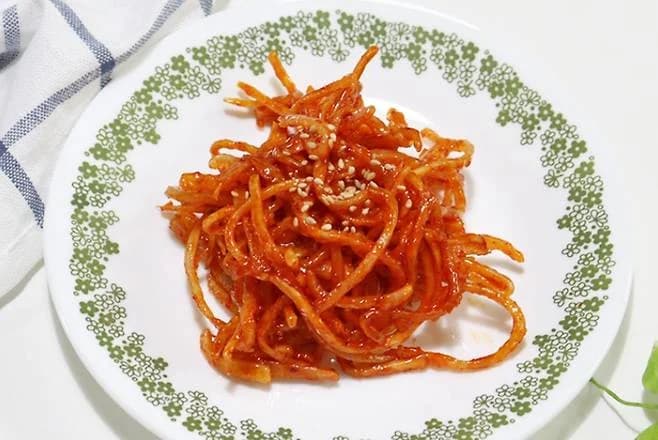
Because miyeok guk is mild and clean-tasting, it pairs perfectly with salty, punchy side dishes. Think roasted seaweed (gim), kkakdugi (radish kimchi), or a simple seasoned radish salad. Serve it with a bowl of multigrain rice and you've got a complete, balanced Korean meal.
For more comforting Korean soups and stews, check out our K-Food category. You'll find everything from doenjang jjigae to yukgaejang and hearty dried pollack soup.
Make Miyeok Guk Any Day, Not Just Birthdays
Sure, miyeok guk is birthday food, but Koreans also turn to it for hangover relief, post-workout recovery, and even weight loss. It's low in calories, high in fiber, and incredibly filling — perfect for a light breakfast or meal prep. You can refrigerate leftovers for 2–3 days and reheat a bowl whenever you need something warm and nourishing.
With this miyeok guk recipe in your back pocket, you're ready to honor tradition, support your body, and enjoy a bowl of pure comfort anytime. Grab a pack of dried seaweed and get cooking.
Frequently Asked Questions
- Can I skip soaking the seaweed and just add it straight to the pot?
- You technically can, but it's not ideal. Dried miyeok takes much longer to soften in the pot, and the texture ends up chewy and unpleasant. Soaking it in cold water for 10–15 minutes beforehand ensures a tender, silky result.
- What can I use instead of beef in miyeok guk?
- Plenty of options! Mussels or clams make a delicious seafood version. Canned tuna is a quick, budget-friendly hack. For a plant-based miyeok guk, use shiitake mushroom broth and add a generous drizzle of perilla oil for body and flavor.
- Is sesame oil or perilla oil better for miyeok guk?
- Perilla oil has a deeper, more traditional flavor that's authentic to Korean home cooking. Sesame oil is nuttier and works great too. If you can't decide, use half of each — you'll get the best of both worlds.
- How long does miyeok guk keep in the fridge?
- It stays good for 2–3 days in an airtight container in the refrigerator. Reheat only what you'll eat, and store the rest separately. Freezing isn't recommended because the seaweed texture deteriorates when thawed.