Korean Curry Rice Recipe – The Golden Ratio for Perfect 30-Minute Comfort Food
Master this Korean curry rice recipe with our foolproof guide. Learn the golden vegetable ratio, when to add the roux, and why this easy comfort food dinner beats takeout every time.

Korean Curry Rice Recipe: The Ultimate Comfort Food That Never Gets Old
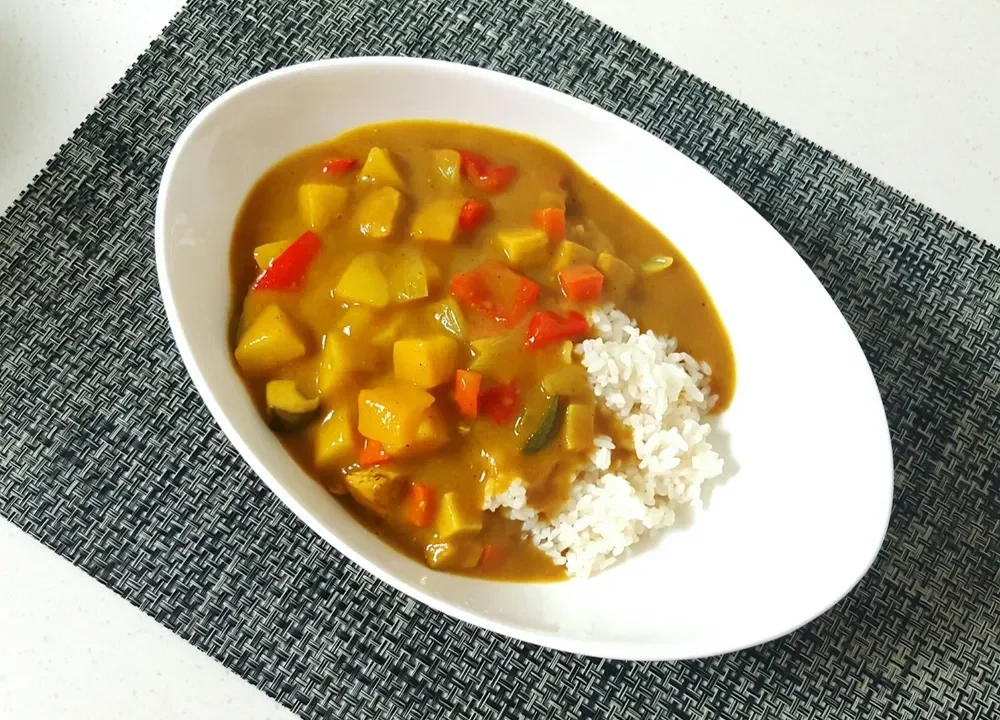
This Korean curry rice recipe is the ultimate crowd-pleaser — a cozy, nostalgic comfort food dinner that takes just 30 minutes from prep to plate. While it shares DNA with Japanese curry, Korean home cooks have made it their own with a few clever tweaks: chunky potatoes that hold their shape, carrots cut smaller for even cooking, onions sautéed until translucent for maximum sweetness, and one crucial rule — always turn off the heat before adding the roux. Follow these simple principles and even first-timers will nail it every single time.
Ingredients – The Golden Ratio for 4 Servings
Main ingredients
- 2 medium potatoes (cut into large chunks)
- 1 carrot (cut smaller than the potatoes)
- 1 onion (sliced or roughly chopped)
- 200g meat (pork or beef, bite-sized pieces)
- 800ml water
- 100g curry roux blocks (store-bought, mild or spicy)
- 2 tablespoons cooking oil
Optional add-ins
- 1 Korean green chili (for heat lovers)
- 1 bay leaf (adds depth)
- 50ml milk (for extra creaminess)
The secret to perfectly cooked vegetables? Cut them according to cooking time. Potatoes should be chunky so they don't turn to mush. Carrots take longer to soften, so cut them a bit smaller. Getting this ratio right is what separates okay curry from amazing curry.
Cooking Method – 5 Foolproof Steps
Step 1: Sauté the Meat and Onions
Heat oil in a large pot over medium heat. Add the meat and cook until browned on the outside. Toss in the onions and sauté until they turn translucent and sweet. This is where your curry builds its flavor foundation — don't rush it.
Step 2: Add Potatoes and Carrots
Throw in your potatoes and carrots, stirring for 1-2 minutes. Coating the vegetables in oil now will help thicken your sauce later and prevent them from breaking down too quickly.
Step 3: Pour in Water and Simmer
Add 800ml of water and bring to a boil over high heat. Once bubbling, reduce to medium-low, cover, and simmer for 15 minutes. Your potatoes should be fork-tender but still holding their shape.
Step 4: Add the Roux (This Is Critical!)
Turn off the heat completely before adding your curry roux blocks. Stir slowly with a wooden spoon until fully dissolved, then turn the heat back on to low. Simmer for 5 minutes, stirring occasionally, until thick and glossy. Adding roux to boiling liquid creates lumps and scorching — this off-heat trick is non-negotiable.
Step 5: Final Touch
For a creamier finish, stir in a splash of milk and bring back to a gentle simmer. Taste and adjust — add a pinch of salt or an extra roux block if needed.
Pro Tips for Next-Level Curry
- Serve over hot rice: Freshly steamed white rice is the classic base, but this curry is so versatile.
- Level up with toppings: A fried egg, melted cheese, or crispy tonkatsu transforms this into a restaurant-worthy meal.
- Make it a day ahead: Curry tastes even better the next day. The flavors deepen and the sauce thickens beautifully. Refrigerate and reheat gently.
- Freeze for later: Portion into containers and freeze for up to a month. The ultimate easy comfort food dinner when you need something fast and satisfying.
Why Korean Curry Holds a Special Place in Every Kitchen
Korean curry rice isn't just food — it's edible nostalgia. For anyone who grew up in Korea in the '80s and '90s, this dish means school lunches, field trip lunchboxes, and rainy Sunday afternoons. Though it originated in Japan, Korean families have adapted it over generations — some add grated apple for sweetness, others throw in gochugaru for a spicy kick, and nearly everyone has strong opinions about potato size. With just one box of store-bought roux, anyone can make it, but each household's version becomes something irreplaceable.
Discover more Korean home cooking inspiration in our K-Food section. And if you're craving authentic Korean curry roux or other pantry staples, DelicaGlobal ships them worldwide.
Creative Variations to Try
- Seafood curry: Swap the meat for shrimp, squid, and mussels for a briny, ocean-flavored twist.
- Cheese curry: Pile mozzarella on top during the last minute of cooking. Kids (and adults) go wild for this gooey upgrade.
- Curry udon: Got leftovers? Add udon noodles and simmer for 3 minutes — you've just made a hearty one-bowl meal.
This Korean curry rice recipe works for lazy weekend lunches, late-night cravings, and casual dinner parties alike. Why not make a big pot tonight?
Frequently Asked Questions
- Do I really need to turn off the heat before adding the curry roux?
- Yes, absolutely. Adding roux blocks to boiling liquid causes clumping and scorching on the bottom of the pot. Turn off the heat, stir until fully dissolved, then turn it back on low to thicken. This one trick prevents 90% of curry disasters.
- Why do my potatoes always turn to mush?
- You're either cutting them too small or simmering too long. Cut potatoes into large chunks and simmer for just 15 minutes after the water boils. Waxy potatoes like Yukon Gold hold their shape better than russets in curry.
- How can I make my curry spicier?
- Start with a spicy roux variety, or add finely chopped Korean green chilies. A pinch of gochugaru (Korean chili flakes) or a small spoonful of gochujang adds authentic Korean heat. Add gradually and taste as you go.
- How long can I store leftover curry?
- Refrigerate for 2-3 days or freeze for up to a month. Portion into airtight containers before freezing so you can reheat single servings. When reheating, add a splash of water to bring back the perfect consistency.