Fluffy Korean Steamed Eggs Recipe – Restaurant-Style Gyeran Jjim at Home
Master fluffy Korean steamed eggs with our foolproof recipe. Get that signature soufflé puff, golden ratios, and restaurant texture in just 10 minutes.

Fluffy Korean Steamed Eggs Recipe: The Ultimate Comfort Side Dish
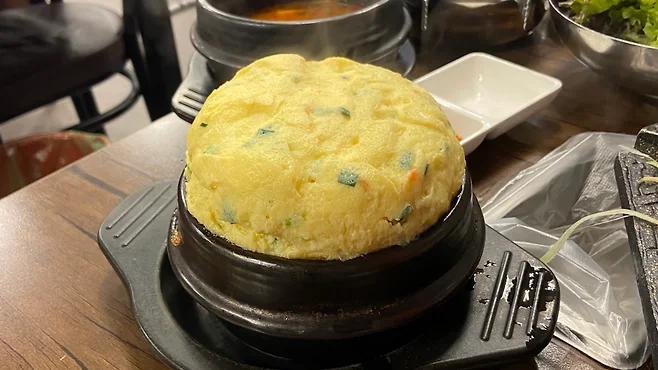
Fluffy Korean steamed eggs (gyeran jjim) are the unsung hero of every Korean restaurant table. You know the moment—the earthenware pot arrives, you lift the lid, and a cloud of golden custard erupts like a savory soufflé. One spoonful and you're hit with impossibly silky, pillowy texture that melts on your tongue. The best part? You can nail restaurant-quality results at home with simple ingredients and one crucial trick: timing.
Why Do They Puff Up Like That? The Science Behind the Magic
That dramatic rise isn't just for show—it's pure kitchen chemistry. When you blast the egg mixture over high heat, the water inside rapidly boils and creates steam. That steam gets trapped in the egg proteins, building pressure that forces the whole thing to balloon up and over the pot rim. Cook it low and slow, and you'll get smooth but flat steamed eggs. Crank the heat and nail the timing, and you'll get that iconic "bomb" effect. It's all about rapid heat—a hallmark of classic Korean steamed dishes.
The Golden Ratio – Ingredients for 4 Servings
- 4 large eggs
- 1 cup water (200ml)
- 1 tablespoon salted shrimp brine (saeujeot) or 1/3 teaspoon salt
- 2 tablespoons finely chopped scallions
- 1 red chili + 1 green chili, minced (optional)
- Drizzle of sesame oil
The magic ratio is 1 egg to 1.2–1.5 parts water. Too much water and it'll be soupy; too little and it turns rubbery. That salted shrimp brine? It's the secret umami bomb Korean restaurants use. No saeujeot? Plain salt works, but you'll miss some of that funky depth.
Fluffy Korean Steamed Eggs Recipe – Step-by-Step
Step 1 – Whisk the Egg Mixture
Crack 4 eggs into a bowl and gently beat with chopsticks—don't go crazy or you'll create too much foam. Mix until the yolks and whites are just combined. Stir in 1 cup water, salted shrimp brine, scallions, and chilies.
Step 2 – Strain for Silky Perfection (Optional)
Want that restaurant-smooth finish? Pour the mixture through a fine-mesh strainer to catch chalazae (those stringy bits) and any foam. This step takes you from homemade to pro.
Step 3 – Pour into Cold Pot and Blast the Heat
Pour everything into a cold earthenware pot (ttukbaegi). Pop the lid on and set it over high heat from the start. Let it rip for 5–7 minutes—you'll hear it bubbling and see steam escaping. Don't peek.
Step 4 – Lower Heat and Finish
Once the eggs have puffed to about 80% of the pot's height, reduce to medium-low. Let it cook another 2–3 minutes until just set but still glossy on top. Drizzle with sesame oil and serve immediately.
3 Pro Tips to Never Fail Again
Timing the heat shift is everything
Blast it on high the whole way and the bottom burns while the center stays runny. Drop the heat too early and it deflates. Watch for that 80% puff, then lower the flame.
Never lift the lid mid-cook
I know you're curious. Don't do it. The second you release that steam, your soufflé collapses. Trust the sounds and the steam wisps instead.
Start with a cold pot
Pre-heating the earthenware sounds smart, but it'll cook the bottom too fast and create weird layers. Cold pot = even, gradual heat = perfect texture.
Fun Twists on Classic Korean Steamed Eggs
Cheese Lover's Version
Toss a handful of shredded mozzarella on top before the final cook. It melts into gooey, golden pockets—kids go absolutely wild for this.
Seafood Upgrade
Fold in shrimp, squid, or clams for a heartier one-bowl meal. Use the seafood cooking liquid in place of plain water for next-level umami.
Mushroom Medley
Stir in sliced enoki or shiitake for earthy bite and extra nutrition. Perfect for vegetarian Korean meals.
Craving more authentic Korean recipes? Check out our K-Food collection for everything from seasonal banchan to holiday feasts—all tested for home cooks anywhere in the world.
What to Serve with Fluffy Korean Steamed Eggs
Gyeran jjim is the ultimate palate cleanser. Pair it with spicy mains like spicy pork bulgogi (jeyuk bokkeum) or kimchi jjigae, and it'll soothe the heat between bites. It's also a staple at Korean BBQ—that mild, custardy richness cuts through fatty grilled pork belly like a charm. You'll find it on the table at practically every Korean sit-down meal for good reason.
Storing Leftovers & Easy Remix Ideas
Seal leftovers in an airtight container and refrigerate for up to 2 days. Reheat in 30-second microwave bursts, though it won't puff up again. The texture's still great, though—mix it into hot rice with crumbled seaweed and sesame oil for a quick comfort bowl, or spoon it over rice Korean donburi-style.
Want Korean snacks and ingredients delivered worldwide? DelicaGlobal ships authentic K-snacks, instant ramyeon, and pantry staples straight to your door—no matter where you are.
Frequently Asked Questions
- Why didn't my Korean steamed eggs puff up?
- Two common culprits: heat too low or not enough water. You need high heat from the start to generate rapid steam—that's what creates the puff. Make sure your egg-to-water ratio is at least 1:1.2. Weak heat means no steam pressure, and your eggs will stay flat.
- Can I use something other than salted shrimp brine?
- Absolutely. Use 1/3 teaspoon salt or a splash of soy sauce. The saeujeot adds funky umami, but if you don't have it, substitute with salt plus a pinch of dashida (Korean soup stock powder). You can also use anchovy broth for deeper flavor.
- Can I make this without an earthenware pot?
- Yes, though the puff won't be as dramatic. A heavy-bottomed stainless steel or enamel pot works—just make sure it retains heat well. In a pinch, you can microwave it: pour the mixture into a microwave-safe bowl, cover loosely with plastic wrap, and nuke on high for 3–4 minutes.
- My steamed eggs are still runny in the center. What should I do?
- Keep the lid on and let it sit over low heat for another 1–2 minutes. High heat for too long cooks the outside but leaves the center wet. Also remember carryover cooking—the eggs keep setting even after you turn off the heat, so pull them slightly before they look fully done.