Ube Desserts: The Purple Wave Taking Over Cafés After Matcha
Ube desserts are painting cafés purple. Discover the Filipino ingredient behind the trend, why it's exploding in lattes and cakes, and its hidden nutrition.

Ube Desserts: The Purple Wave Taking Over Cafés After Matcha
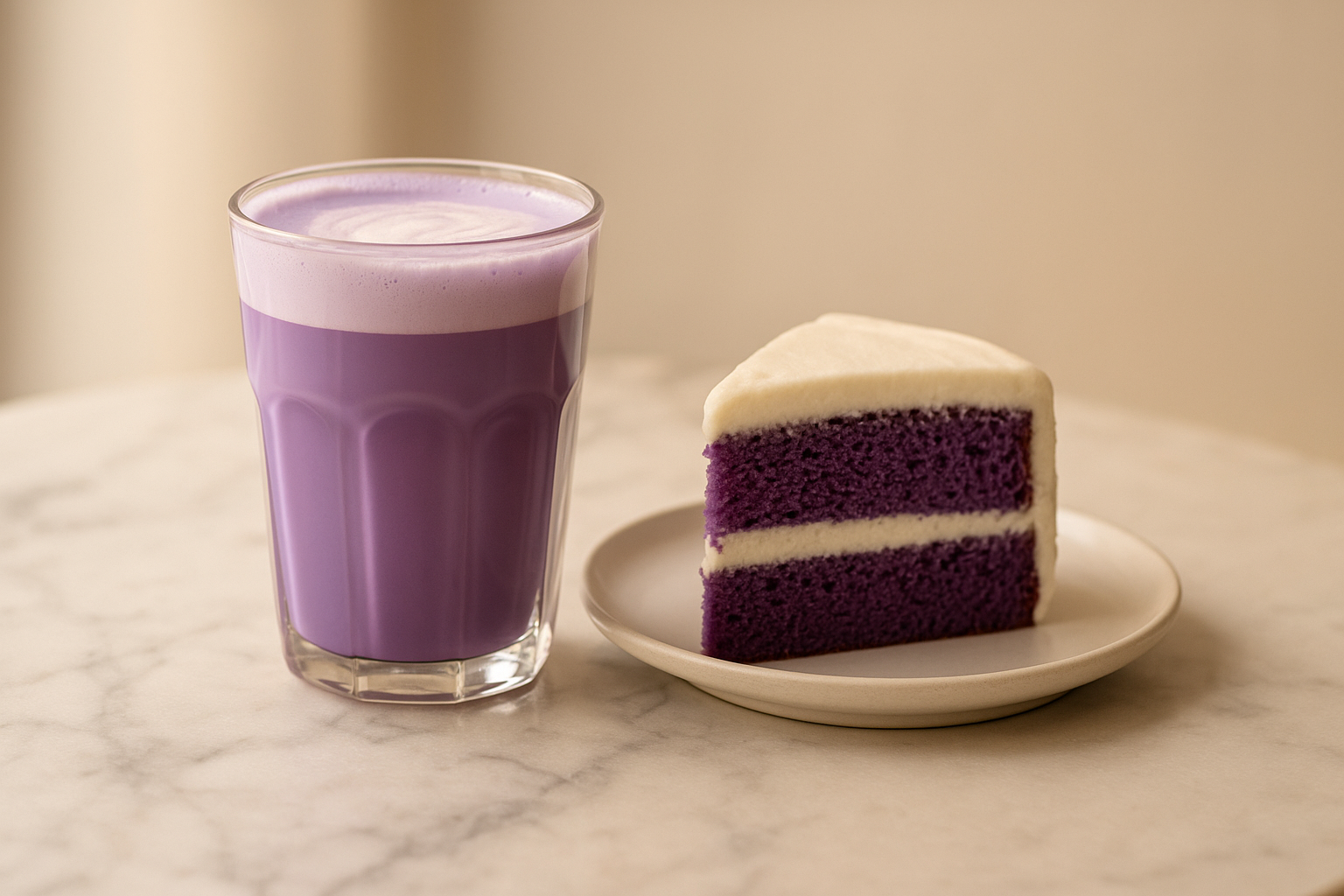
Ube desserts are rapidly conquering café menus worldwide. If matcha's soothing green ruled the Instagram aesthetic, vivid purple now steals the spotlight. Without a drop of artificial coloring, this natural ingredient creates eye-popping hues that flood social feeds and captivate Gen Z one latte at a time.
Ube: The Purple Ingredient From the Philippines
Ube is a purple yam native to the Philippines. It looks like a sweet potato on the outside, but slice it open and you'll find an electric violet interior. The flavor? Imagine sweet potato's natural sweetness blended with whispers of vanilla and coconut. Though it resembles purple sweet potato or taro, ube is botanically distinct—and tastes completely different.
In the Philippines, ube has been a dessert staple for generations. It crowns halo-halo, the iconic shaved ice treat, in the form of ube ice cream or ube jam. Ube halaya—a traditional jam made by mashing ube with condensed milk and coconut milk—is a household favorite. You'll also find it baked into breads, cookies, and cakes across Filipino kitchens.
Why Are Ube Desserts So Popular Right Now?
Scroll through current café trends and you'll spot ube lattes, ube donuts, ube cream buns, and ube cakes popping up everywhere. According to recent media reports, Google Trends shows steady growth in ube searches, while Instagram's '#ube' hashtag has surpassed 750,000 posts.
The secret to its popularity? That bold visual punch. Where matcha offered calm, earthy green vibes, ube delivers vibrant, playful purple that screams photo-worthy. For consumers hunting the next Instagrammable dessert, ube hits the sweet spot. The fact that this neon color comes entirely from nature—zero artificial dyes—only adds to its appeal.
Frequently Asked Questions
- Is ube the same as purple sweet potato?
- No, they're different ingredients. Ube is a purple yam native to the Philippines, while purple sweet potato is a variety of sweet potato. They also taste different—ube has subtle vanilla and coconut notes, whereas purple sweet potato carries the classic sweet potato sweetness.
- Do ube desserts use artificial coloring?
- Ube naturally produces that vibrant purple color, so no artificial dyes are needed. However, some commercial products do add extra colorant to intensify the hue, so check ingredient labels if you want 100% natural color.
- Where can I buy ube?
- Online specialty food retailers and import grocery stores sell ube powder and ube halaya jam. You can also find it at Asian markets that carry Filipino ingredients.
- Does ube latte contain caffeine?
- Ube itself is caffeine-free. A standard ube latte is made by mixing ube powder with milk or a milk alternative, so it contains no caffeine unless coffee is added. Some cafés offer ube lattes with an espresso shot, so ask before ordering if you want to avoid caffeine.